



Acharya Vinoba Bhave Rural Medical College Wardha Successfully Treats Over 400 SVT (Heart Rhythm Disorder) Patients with Advanced Electrophysiology Procedures
April 23,2026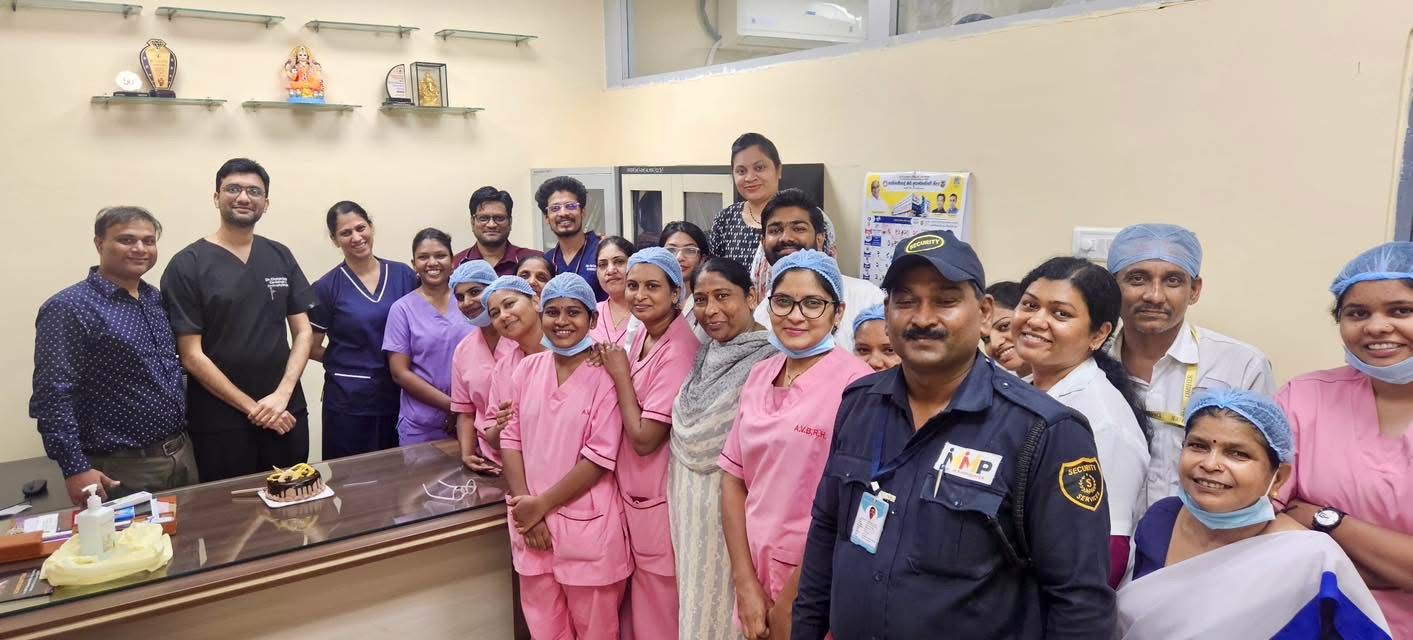
Five Years of Expertise in Radiofrequency Ablation Brings Advanced Cardiac Care to Rural India
Wardha 22 April 2026: Acharya Vinoba Bhave Rural Medical College (AVBRH) Wardha has emerged as a leading center for the diagnosis and treatment of Supraventricular Tachycardia (SVT), a condition characterized by sudden episodes of abnormally fast heart rate. Over the past five years, the institution has successfully treated more than 400 patients using advanced electrophysiology (EP) studies and radiofrequency ablation, marking a significant milestone in rural cardiac care.
Dr. Chetan Rathi , Cardiologist and Electrophysiologist, Department of Cardiology , Acharya Vinoba Bhave Rural Medical College Wardha said: “Supraventricular Tachycardia is often alarming for patients due to its sudden onset, but with timely diagnosis and appropriate intervention, it is highly manageable and frequently curable. At AVBRH Wardha, we have consistently delivered advanced electrophysiology care in a rural setting, successfully treating over 400 patients. Our goal is to ensure that patients in rural areas have access to the same high-quality cardiac care available in metropolitan cities.”
SVT occurs due to abnormal electrical signals in the upper chambers of the heart (atria), causing the heart rate to spike suddenly often reaching 150 to 250 beats per minute. While generally not life-threatening, the condition can lead to symptoms such as palpitations, dizziness, shortness of breath, chest discomfort, and anxiety, significantly impacting a patient’s quality of life.
The medical team at AVBRH Wardha has developed strong expertise in identifying and treating SVT through a combination of non-invasive techniques, medications, and minimally invasive procedures. Among these, radiofrequency ablation has emerged as the gold standard treatment, offering a success rate of approximately 98% by permanently correcting the faulty electrical pathways in the heart.
Patients experiencing prolonged episodes of rapid heartbeat, fainting, chest pain, or severe breathlessness are advised to seek immediate medical attention. Early diagnosis and appropriate treatment can effectively manage and often cure the condition.